
A garage door is more than just an entryway for your car; it’s a vital part of your home’s security, energy efficiency, and convenience. When it works correctly, you barely notice it. But when it malfunctions, it can trap your vehicle, make unsettling noises, or stop moving altogether. At Greenbelt Garage Doors Co., we’ve helped hundreds of homeowners and businesses across Garland, TX, identify and fix garage door issues efficiently. That’s why understanding garage door troubleshooting is such an important skill for any property owner.
A few months ago, a Garland homeowner contacted us after their garage door opener stopped responding. They had assumed the motor burned out, but our technicians found that the issue was caused by a misaligned photo-eye sensor and a loose wire at the opener’s terminal. Within an hour, we had the system running like new. This real-life situation highlights how most garage door problems follow predictable patterns, and with the right troubleshooting steps, you can often pinpoint the root cause before calling in a professional.
Research by the U.S. Door and Access Systems Manufacturers Association (DASMA) shows that over 70% of homeowners in the United States use their garage doors as the main entrance to their home. When your door doesn’t open or close properly, it’s more than an inconvenience — it can compromise security and safety. That’s why our Garage Door Troubleshooting Flowchart was created: to help you diagnose problems step-by-step, identify whether it’s a DIY fix, and know when it’s time to call Greenbelt Garage Doors Co. for professional service.
Understanding How a Garage Door System Works
Before diagnosing any problem, it’s helpful to understand how your garage door functions as a system. Every part plays a role in ensuring the door operates smoothly, safely, and quietly.
Key Components:
1. Door Panels and Hinges:
These make up the body of the garage door. Each panel connects with heavy-duty hinges that allow the door to bend and follow the track’s curve. If panels or hinges are bent, the door may jam or move unevenly.
2. Tracks and Rollers:
Tracks guide the door’s path as it moves up and down, while rollers glide inside them. Bent tracks or damaged rollers can lead to scraping sounds, shaking, or sudden stops.
3. Springs (Torsion or Extension):
Springs counterbalance the door’s weight so the opener doesn’t do all the heavy lifting. A broken spring is one of the most common and dangerous failures.
4. Cables:
Attached to the drums and springs, cables lift and lower the door. A frayed or snapped cable can cause the door to hang unevenly or drop unexpectedly.
5. Garage Door Opener:
The motorized unit mounted to your ceiling powers automatic operation. It connects to the door via a drive system, either chain, belt, or screw, and contains the circuit board and safety sensors.
6. Safety Sensors:
Infrared photo eyes mounted near the bottom of the door detect obstacles. If misaligned, they prevent the door from closing.
7. Weather Stripping and Seals:
Flexible rubber or vinyl seals block out dust, water, and pests while improving energy efficiency.
Knowing how these components interact helps you troubleshoot accurately and prevents unnecessary part replacements.
Step 1: Prioritize Safety Every Time
Garage doors are heavy, and their moving parts operate under high tension. Safety should always come first.
Safety Precautions:
- Unplug the opener before inspecting or repairing any electrical parts.
- Do not adjust or remove torsion springs; they store enough energy to cause serious injury.
- Use proper lighting and keep tools organized to avoid tripping hazards.
- Disconnect the door using the emergency release handle before performing balance tests.
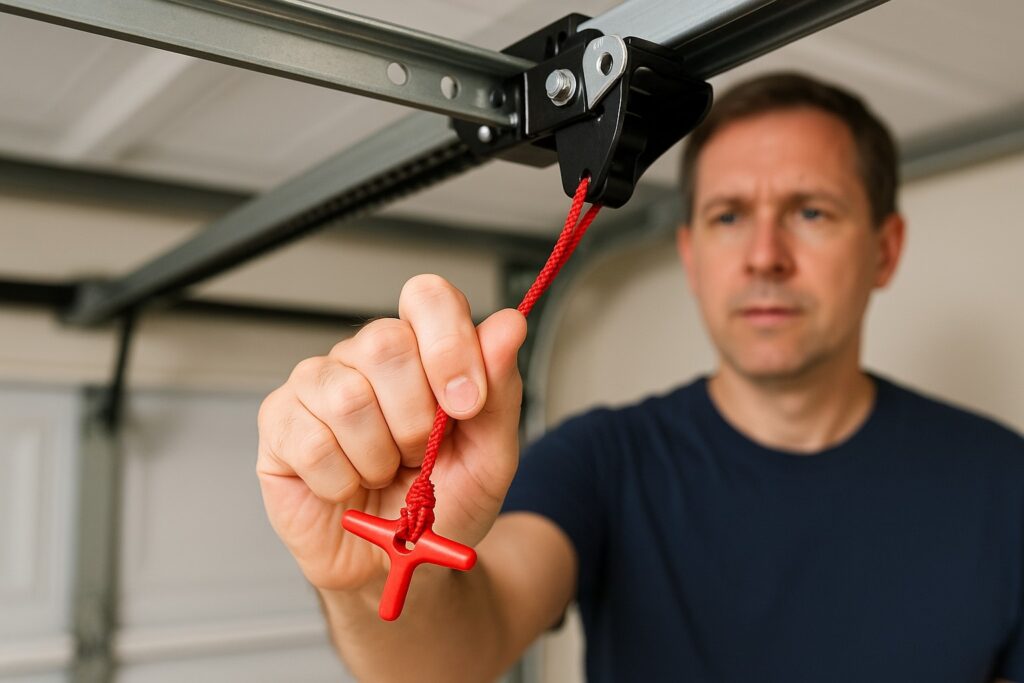
At Greenbelt Garage Doors Co., we’ve encountered many cases where DIY repairs led to accidental injuries or further damage. Always approach garage door troubleshooting cautiously.
Step 2: Start with the Power and Controls
You might be surprised how often a “broken” garage door is just a power issue.
Troubleshooting checklist:
- Ensure the opener is plugged in securely.
- Check the circuit breaker — it may have tripped.
- Test the outlet with another device like a lamp.
- Replace remote or keypad batteries if the signal isn’t reaching the opener.
- Make sure the manual lock feature on the door handle isn’t engaged.
- Look for flashing error lights on the opener, which often indicate sensor or circuit problems.
Pro Tip:
If your opener light blinks in a pattern, look up the code in your opener’s manual. For example, two blinks might signal a sensor issue, while five blinks might indicate a logic board error.
Step 3: Check the Remote and Keypad
Remote controls and keypads are often the first to fail.
- Replace batteries once a year.
- Reprogram the keypad if it stops responding.
- Ensure there’s no interference from LED bulbs or wireless routers.
Example:
A Garland customer called us about an unresponsive opener. The fix? Their new LED light bulbs interfered with the opener’s radio frequency. Replacing them with garage-compatible bulbs resolved the issue instantly.
Step 4: Inspect the Garage Door Opener Mechanism
When the opener hums but doesn’t move, the issue may lie in the drive mechanism.
Drive Types and Common Problems:
- Chain Drive: Durable but noisy. May loosen over time.
- Belt Drive: Quiet and smooth, but can stretch.
- Screw Drive: Requires lubrication to prevent binding.
Quick Fixes:
- Tighten loose chains.
- Re-lubricate the screw drive with manufacturer-approved grease.
- Reset the limit switches to prevent the door from closing too early or too late.
If your motor doesn’t run at all, the internal capacitor or logic board may have failed — this typically requires professional replacement.
Step 5: Test the Door Balance and Manual Function
A well-balanced garage door should stay halfway open when lifted manually.
Balance Test Steps:
- Disconnect the opener.
- Lift the door manually to mid-height.
- If it falls, the springs are too weak; if it rises, they’re too tight.
Why this matters:
An unbalanced door strains the motor and gears of your opener, causing early failure. At Greenbelt Garage Doors Co., our maintenance technicians perform precise spring tension adjustments to ensure safe operation.
Step 6: Listen and Observe During Operation
Strange sounds or jerky movements are key warning signs.
- Grinding or scraping: Track misalignment or debris.
- Popping: Spring tension changes.
- Rattling: Loose hardware.
- Banging: Worn rollers or broken hinges.
Perform a visual inspection while operating the door to locate where the noise originates.
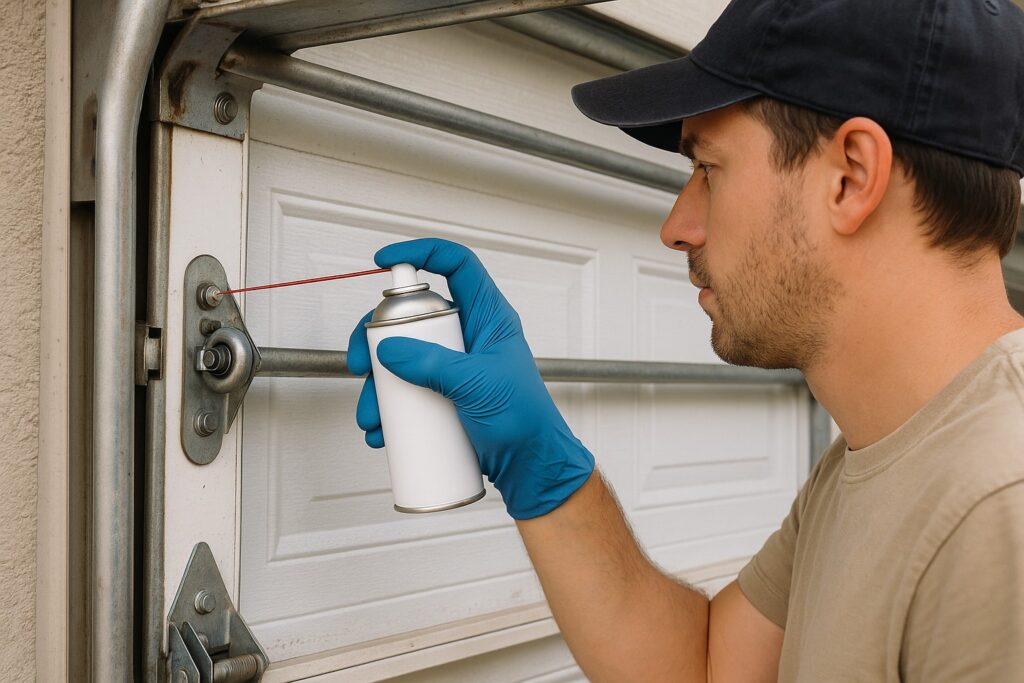
Tip: Apply a silicone or lithium-based lubricant to rollers, hinges, and bearings. Never use heavy grease or WD-40, as it attracts dirt.
Step 7: Inspect the Tracks and Rollers
The tracks and rollers must stay clean, straight, and secure for smooth performance.
Inspection Tips:
- Remove any obstructions (like leaves or pebbles).
- Use a level to verify vertical and horizontal alignment.
- Replace cracked or flat-spotted rollers.
Example:
One commercial customer in Garland had a garage door that squealed loudly during operation. The cause? Metal rollers that had worn down over time. Replacing them with nylon rollers not only silenced the door but also reduced strain on the opener motor.
Step 8: Check Springs and Cables
Springs and cables handle most of the lifting. When they fail, the door may slam shut or refuse to open.
Signs of a broken spring:
- Loud snap sound when operating.
- Door only opens a few inches.
- Visible gap in the spring coil.
Cable red flags:
- Fraying or rust.
- Loose wrapping around the drum.
- Uneven lifting motion.
Never attempt to fix springs yourself. The tension involved can cause serious injury. Call professionals immediately if you suspect damage.
Step 9: Evaluate Weather Stripping and Bottom Seals
Weather stripping keeps your garage insulated and dry.
When to replace:
- If you see daylight under the door.
- If you feel drafts or notice pest activity.
- If the seal feels brittle or cracked.
Replacing weather stripping not only improves comfort but also extends the life of metal components by reducing moisture exposure.
Step 10: Verify Safety Sensors and Auto-Reverse
Safety sensors are essential for preventing accidents.
Testing Procedure:
- Place an object (like a block of wood) under the door.
- Attempt to close it. The door should reverse automatically.
- If it doesn’t, clean or realign the sensors.
If that fails, professional recalibration or sensor replacement may be required. Greenbelt Garage Doors Co. technicians are trained to restore safety compliance quickly and affordably.
Step 11: Tighten and Adjust All Hardware
Vibration from daily use gradually loosens screws and bolts.
Hardware to inspect:
- Hinge screws
- Track bolts
- Roller brackets
- Support struts
Using a socket wrench, tighten all visible fasteners. Replace any stripped or missing hardware.
Step 12: Lubrication and Preventive Care
Lubrication is the lifeblood of your garage door system.
Apply lubricant to:
- Rollers
- Hinges
- Springs
- Bearings
- Lock bars
Avoid lubricating:
- The track surface (it attracts dust).
Proper lubrication reduces wear, lowers noise, and prolongs component life. Schedule professional tune-ups annually to ensure optimal performance.
Step 13: Environmental Impacts on Garage Doors
In Garland, TX, where temperatures can swing dramatically, environmental conditions can affect door performance.
- Cold weather: Metal contracts and lubricants thicken.
- Heat and humidity: Cause swelling in wooden doors and corrosion in steel ones.
- Storms: High winds may loosen track bolts or affect opener sensors.
Maintenance Tip:
Wipe metal parts clean and apply corrosion-resistant lubricant during humid months.
Step 14: Smart Garage Door Technology Troubleshooting
Modern garage door openers often connect to Wi-Fi or smart home systems.
If your smart door won’t respond:
- Restart your router.
- Check app permissions.
- Reconnect the opener to your home network.
- Update firmware via the manufacturer’s app.
Smart features add convenience, but connectivity issues are common. Regularly update software to maintain reliability.
Step 15: Troubleshooting Common Issues
| Problem | Likely Cause | Suggested Action |
| Door won’t close completely | Misaligned sensors | Clean and realign sensors |
| Door reverses halfway | Obstruction or setting issue | Remove obstruction, reset limit switch |
| Noisy operation | Dry rollers or loose hardware | Lubricate and tighten hardware |
| Door opens randomly | Faulty remote or wiring | Reset codes, inspect wall switch |
| Remote not working | Dead batteries or interference | Replace batteries, relocate router |
| Uneven movement | Broken spring or cable | Call a professional immediately |
Step 16: Routine Maintenance Schedule
| Frequency | Maintenance Task |
| Monthly | Visual inspection of cables, springs, and sensors |
| Every 3 months | Lubricate rollers, hinges, and bearings |
| Every 6 months | Tighten hardware, clean tracks |
| Annually | Professional inspection and balance test |
Following this schedule prevents surprise breakdowns and extends your door’s lifespan.
Step 17: When to Call a Professional
If you’ve gone through the troubleshooting steps and the problem persists, it’s time to call a professional garage door company.
Call Greenbelt Garage Doors Co. for:
- Broken springs or cables
- Burned-out motors
- Bent tracks or damaged panels
- Persistent sensor or safety issues
- Doors that have come off track
Our trained technicians bring the proper tools and years of experience to handle repairs safely and efficiently.
Step 18: Commercial Garage Door Considerations
For businesses, garage doors are mission-critical. They protect inventory, vehicles, and employees.
Maintenance Tips for Commercial Doors:
- Schedule quarterly inspections.
- Test emergency release mechanisms monthly.
- Install heavy-duty torsion springs for high-cycle use.
- Ensure compliance with fire and safety codes.
Greenbelt Garage Doors Co. provides tailored service plans for commercial clients across Garland to reduce downtime and prevent disruptions.
Step 19: Cost of Neglecting Maintenance
Neglecting regular maintenance can lead to escalating repair costs.
- A $40 roller replacement can turn into a $700 track repair if ignored.
- Rusted springs can damage the opener gear assembly, costing hundreds more.
- Faulty sensors could cause accidental damage to vehicles or property.
Routine inspections protect both your wallet and your safety.
Step 20: Energy Efficiency and Insulation Benefits
Proper sealing and insulated doors help maintain indoor temperatures. This is especially beneficial for attached garages.
Benefits:
- Lower energy bills.
- Reduced strain on HVAC systems.
- Quieter operation.
- Better protection for vehicles and stored items.
Replacing worn weather seals or upgrading to insulated panels offers immediate and long-term savings.
Frequently Asked Questions (FAQs)
1. How long does a typical garage door last before it needs replacement?
Most garage doors last between 15 to 30 years, depending on the material, climate, and maintenance routine. Regular lubrication, inspections, and timely repairs can help extend the life of your door significantly.
2. Can extreme temperatures affect how my garage door operates?
Yes. Both extreme heat and cold can impact your garage door’s metal components, springs, and lubricants. Seasonal tune-ups and weatherproofing help prevent stiffness, expansion, or corrosion caused by temperature changes.
3. What should I do if my garage door opens on its own?
Unexpected door movements can occur due to remote interference, faulty wiring, or a shorted control board. Disconnect the opener immediately and call a professional technician to inspect and reprogram the system safely.
4. Is it worth upgrading to a smart garage door opener?
Upgrading to a smart opener adds convenience and security, allowing you to monitor and control your door through a smartphone app. Many modern systems also include activity alerts, scheduled closing, and integration with home automation devices.
How Can Greenbelt Garage Doors Co. Help You?
If your garage door troubleshooting has led you to issues that seem too complex or risky to fix yourself, it’s time to call in the professionals. At Greenbelt Garage Doors Co., we offer dependable garage door repair, maintenance, and installation services for homes and businesses throughout Garland, TX.
Our experienced technicians handle every type of issue, from broken torsion springs and malfunctioning openers to weather stripping replacement and precision alignment. We take pride in delivering fast, reliable, and affordable service every time.
Why Choose Us:
✅ 24/7 Emergency Repair Service
✅ Expert Technicians with Advanced Training
✅ Honest Pricing and Free Estimates
✅ Maintenance Programs to Prevent Future Issues
✅ Installation of High-Quality Residential and Commercial Garage Doors
Address: 1824 N 1st St, Garland, TX 75040, United States
Phone: (469) 369-1721
Don’t let a faulty door disrupt your day or risk your safety. Contact Greenbelt Garage Doors Co. today for professional help and restore your garage door’s smooth, safe, and quiet operation — guaranteed.